 Back to blog
Gin is a drink with character, having travelled a long road from the cheap “entertainer” of London’s poor to an elite spirit upon which modern mixology is built. Today the shelves are overflowing with variety: classic dry, fruity pink, tart sloe.
How do you navigate this forest and find that perfect flavour? In this guide we will explore the anatomy of gin, learn how to read labels, and reveal the secrets of the perfect serve.
What is gin, really?
Contrary to popular belief, gin is not simply alcohol that smells of pine trees. By law, it is a spirit of no less than 37.5% ABV, produced by distilling grain spirit with the mandatory addition of juniper berries (Juniperus communis).
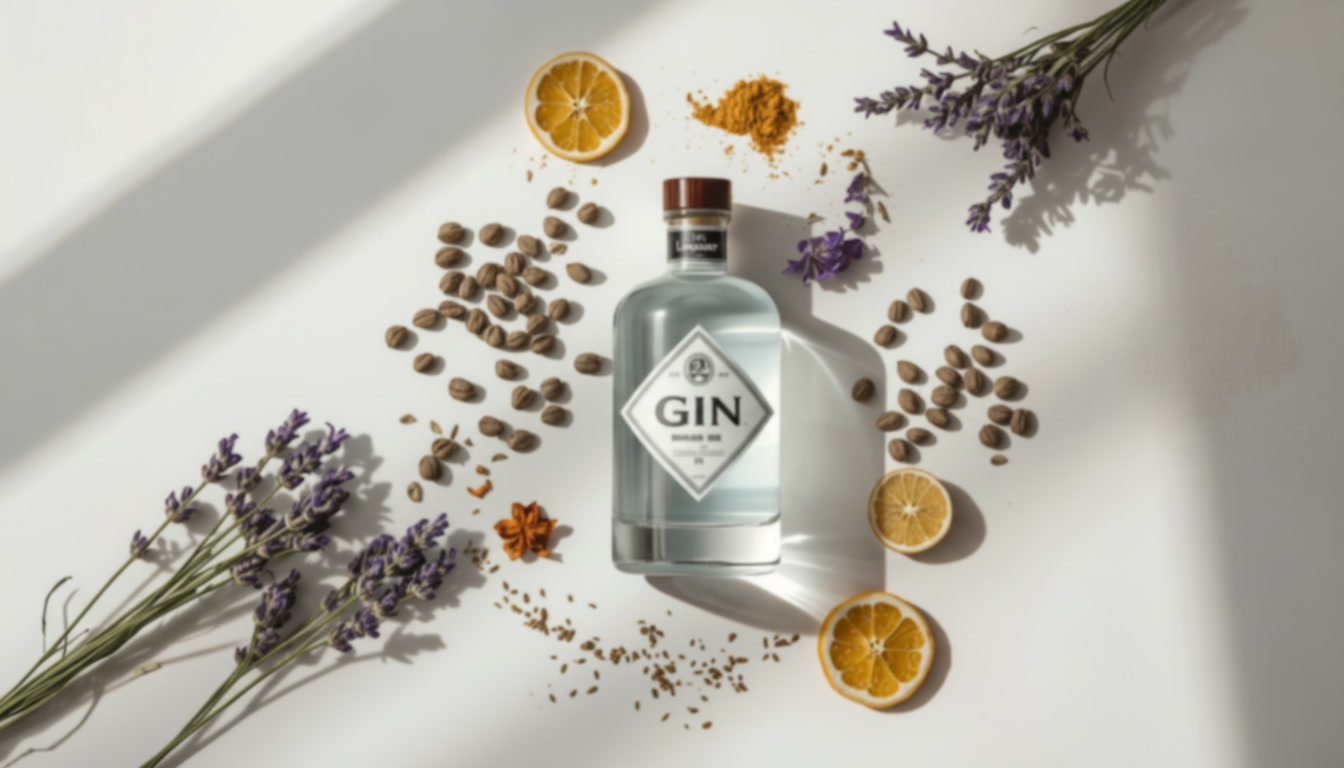
Juniper is the “heart” of the drink. The other ingredients (botanicals) are its “clothing”. The recipe may include dozens of components:
- Citrus: lemon, orange and grapefruit peel.
- Spices: coriander, cardamom, cassia, pepper.
- Herbs and roots: angelica, orris root, almonds, liquorice.
The main styles of gin: which one to choose?
Before buying a bottle, it helps to decide which flavour profile suits you. Gins fall into several key categories:
London Dry Gin
This is the benchmark and the “gold standard”. Despite the name, it can be produced anywhere in the world.
- Key feature: No sugar or flavourings may be added after distillation. All flavour is extracted solely from natural botanicals.
- Taste: Dry, clean, with a strong emphasis on juniper and citrus.
- Best for: A classic Martini or Gin & Tonic.
Distilled Gin
The production method is similar to London Dry, but with one important difference: after distillation, the producer may add natural flavourings or colourings.
- Key feature: This category includes modern “craft” and Pink Gins.
- Taste: Softer, often fruity or floral.
Old Tom
A bridge between the old Dutch style and the modern dry style. In the 18th century it was lightly sweetened to mask the imperfections of distillation.
- Taste: Sweeter and more viscous.
- Best for: An essential ingredient in the classic Tom Collins.
Plymouth Gin
A protected geographical indication. It is produced exclusively in the city of Plymouth, England.
-
Taste: Less dry than London Dry, with pronounced “earthy” root notes.
Genever
The ancestor of gin, originating from the Netherlands. It is closer to a hybrid of whisky and gin.
-
Taste: Malty, full-bodied, grainy. Often enjoyed neat in small glasses.
Checklist: what to look for when buying?
If you are standing in front of a shelf in a drinks store, pay attention to the following details:
- ABV. A good gin should be no less than 40–42%. Alcohol retains the essential oils of the juniper. If the strength is lower, the aroma dissipates quickly.
- Base spirit. Premium brands use high-quality grain spirit (wheat or barley). Cheaper options can carry a harsh, sharp spirit “tail”.
- Botanicals. If the label lists unusual ingredients such as cucumber, rose petals (as in Hendrick’s) or seaweed, expect an unconventional tasting experience.
- Brand vs. Craft. Global leaders (Beefeater, Tanqueray, Bombay Sapphire) guarantee consistency. Craft distilleries offer uniqueness but come at a higher price.
How to drink gin properly?
Gin is a versatile spirit. It can be enjoyed in three main ways.
Neat (For connoisseurs)
Many believe gin is too harsh to drink neat. However, premium expressions reveal themselves best this way.
- Serve: Chill the bottle or use one large piece of ice.
- Glass: A small rocks glass or a tulip-shaped grappa glass.
- How to drink: Small sips, holding the liquid in the mouth to feel the warmth of the spices.
Classic Gin & Tonic (G&T)
The most popular way to enjoy gin. But the details matter:
- Ratio: 1 part gin to 2 or 3 parts tonic.
- Ice: The glass should be filled to the top with ice. More ice means slower melting and less dilution.
- Tonic: Do not cut corners here. Cheap supermarket tonic will overpower the gin with excess sugar. Look for tonics with natural quinine (such as Fever-Tree or Fentimans).
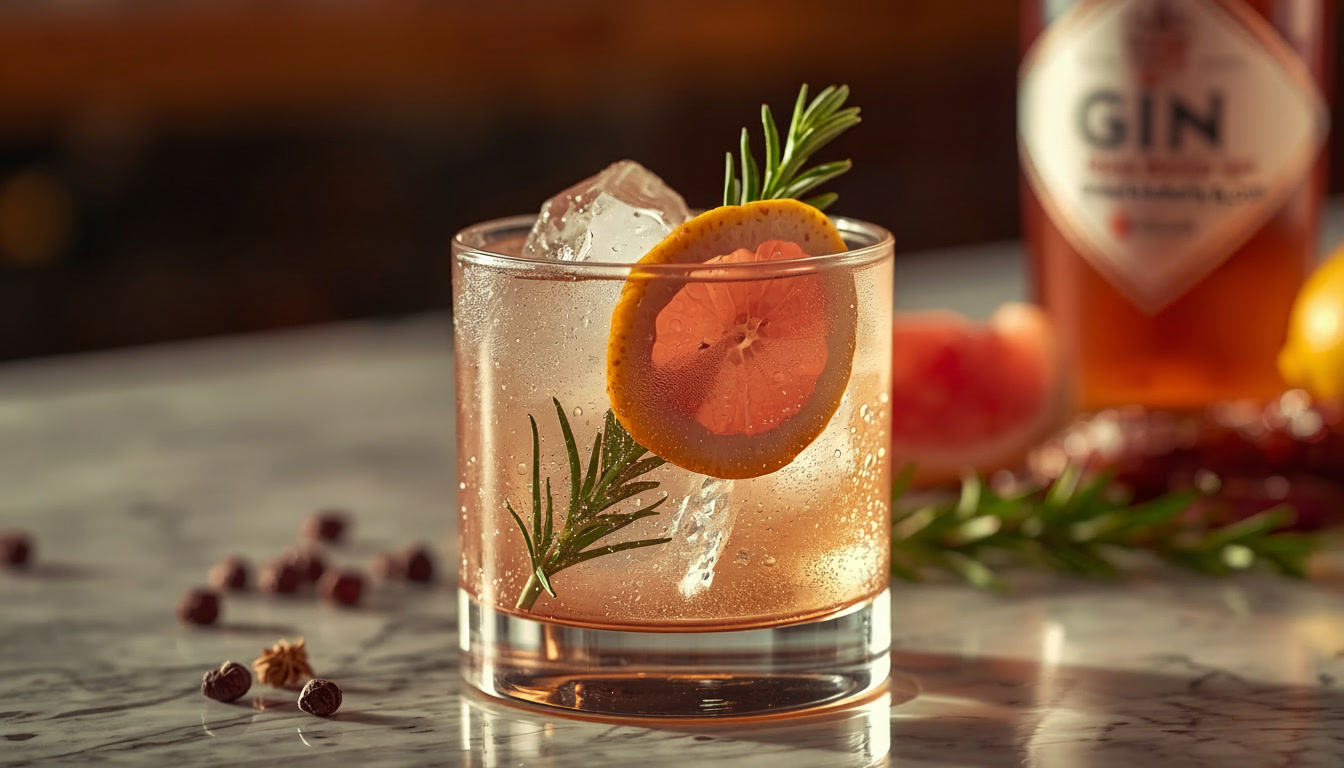
- Garnish: This is not merely decoration - it enhances the flavour. Classic gin pairs with lime, floral gin with cucumber or raspberry, spiced gin with a sprig of rosemary or grapefruit peel.
Cocktail variety
Gin is the base for hundreds of recipes.
- Negroni: Gin, red vermouth, Campari (1:1:1). Strong, bitter, perfect.
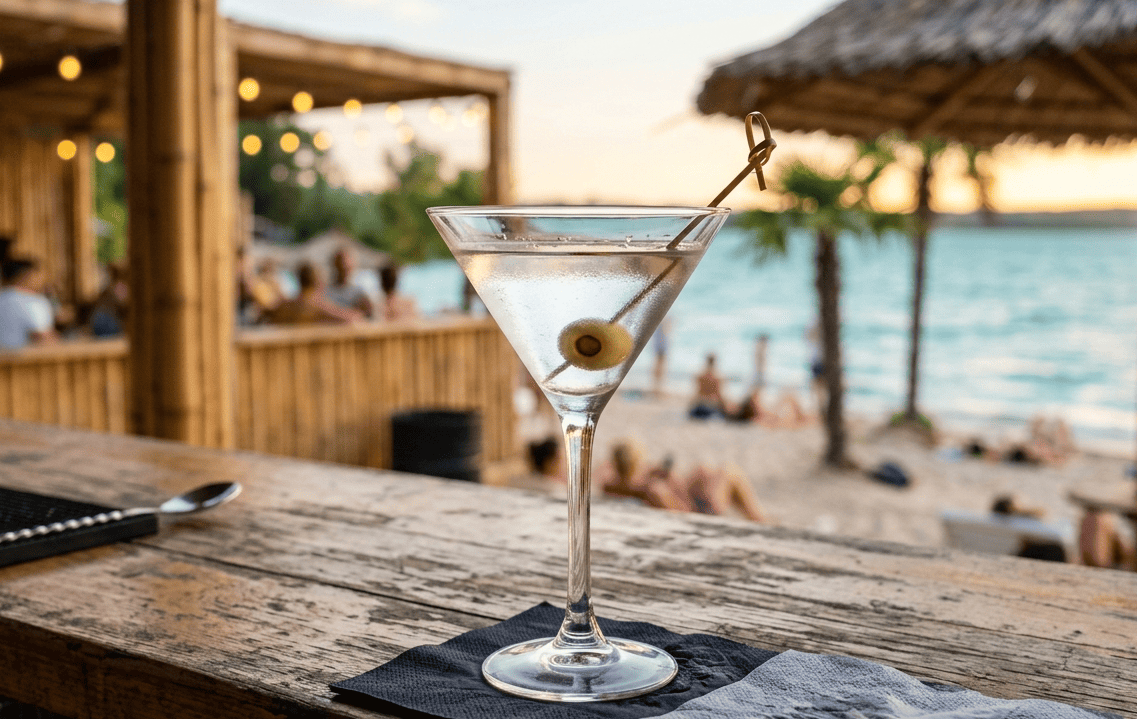
- Martini: Gin and a dash of dry vermouth. A drink for those who love minimalism.
- French 75: Gin, lemon juice, sugar syrup and champagne. A celebration in a glass.
Food pairings: what to serve with gin?
Gin enjoys foods with a bold but not heavy flavour.
- Seafood: Prawns, oysters and smoked salmon highlight the freshness of the spirit.
- Cheese: Opt for soft goat’s cheeses or sharp blue varieties.
- Meat: Cold cuts, hamón or cured beef.
- Fruit: Citrus, green apples and berries.
Summary
Choosing a gin is always an exploration. If you are a newcomer, start with a classic London Dry to understand the fundamentals. If you crave something exotic, seek out craft distillates made with local botanicals.
The golden rule: gin does not like to be rushed. It is a drink for thoughtful evenings, long conversations and endless experiments with garnishes.
Remember: drink responsibly and choose only quality spirits at alcohall.md!