 Back to blog
The difference between premium spirits and mass-market products always lies in details that are not immediately visible. When we talk about tequila, we are not simply talking about vodka made from a Mexican plant, but about an extraordinarily complex production process. The main secret lies in how much time and respect the producer has devoted to the blue agave. For this plant to accumulate the right sugars and the unique flavour of the land (terroir), it must mature in the state of Jalisco for a minimum of 6–8 years.
Cheap tequila is the product of impatience. Large corporations cannot wait a decade for nature to do its work. They use immature agave and compensate for the lack of sugars and aroma with chemical methods. While premium brands bake agave hearts in traditional stone “horno” ovens for several days, budget options run the raw material through diffusers — enormous machines that literally flush the sugar out of the shredded plant using hot water and acids. The result is a sterile, lifeless spirit with none of the soul of the agave, but plenty of harsh, unpleasant undertones.
The Mixto category: what’s the catch?
If you see a bottle on the shelf with the word Tequila written in large letters, but without the all-important phrase “100% de Agave”, you are looking at a blend. By law, cheap tequila may contain up to 49% extraneous spirits — typically distillate from sugarcane or corn.
The problem here is not just one of taste, but of consequences. The body struggles far more to process a cocktail of different sugar types. This is precisely why cheap tequila causes such severe headaches: the mixture of cane sugar and low-grade agave spirit creates a toxic blend that the liver takes much longer than usual to deal with. With premium varieties, you are drinking the pure juice of a single plant, which has undergone double — and sometimes triple — distillation.
Brands: what should you look for?
To avoid making the wrong choice, it helps to know the market leaders across different segments.
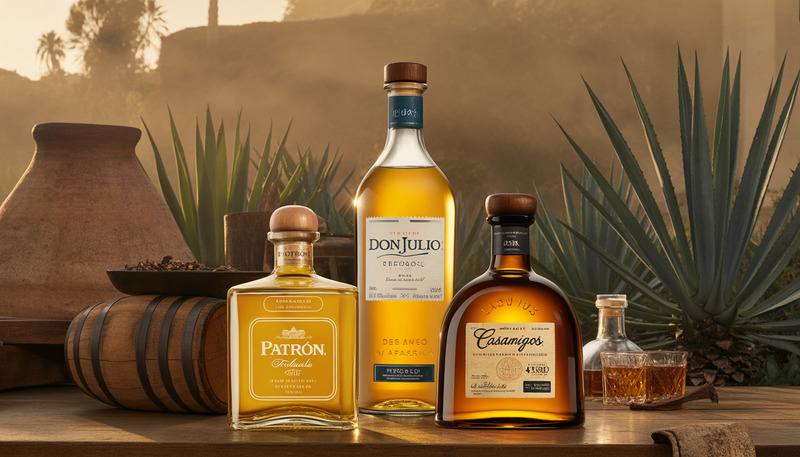
If your goal is to experience genuine quality, take a look at Patrón. It is one of the most recognisable premium brands and still uses traditional production methods to this day. Another connoisseur’s favourite is Don Julio, whose founder was the first to plant agave plants further apart so that each one could absorb more nutrients from the soil. For those in search of a truly “craft” flavour, Casamigos (the brand founded by George Clooney) or Herradura — one of the oldest distilleries, where the tradition of long ageing in ex-bourbon barrels is deeply respected — are excellent choices.
Then there is the segment that could be called the “sweet spot”. Brands such as Espolòn or Lokita offer 100% agave at a perfectly reasonable price. This is a great choice for those who want a clean flavour without paying a premium for an ornate crystal bottle.
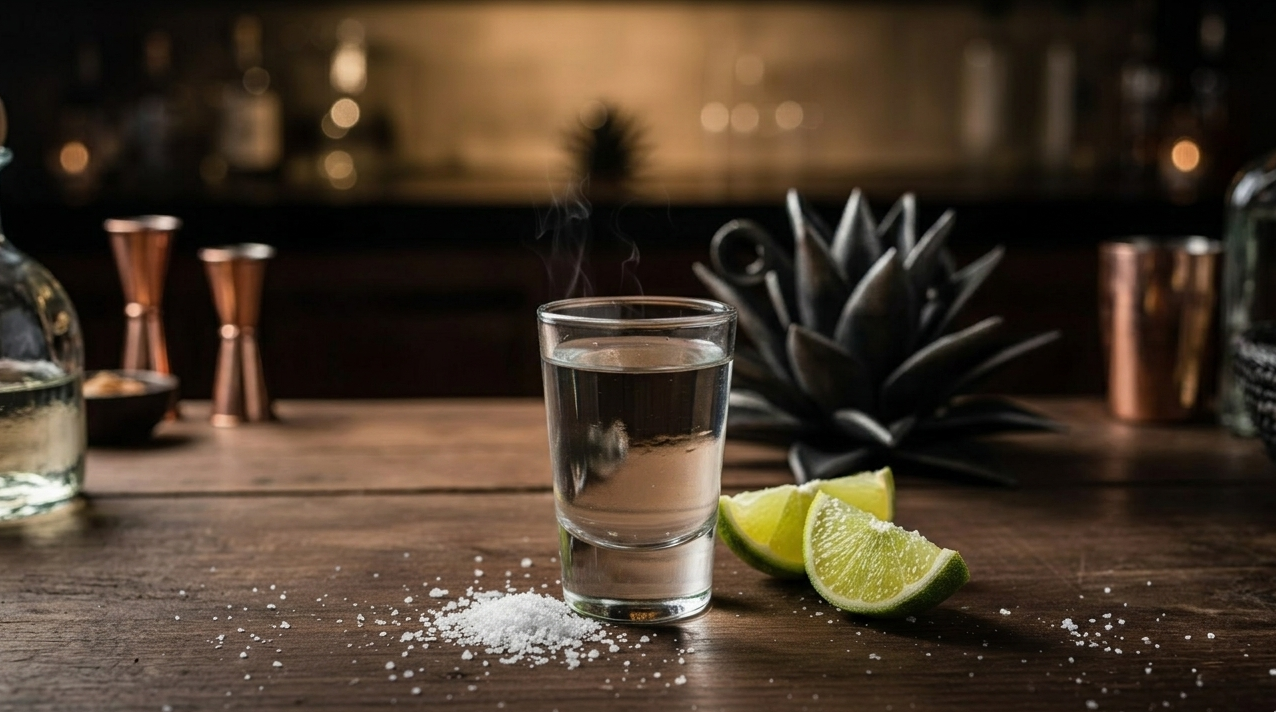
At the very bottom of the list sits the typical cheap tequila so often found in bars for quick shots with salt and lime. The basic lines of Olmeca Gold or Sauza Silver (without the 100% agave designation) fall into this category. These drinks are not designed to be savoured — they are designed to be mixed into a margarita as quickly as possible, or chased with something sour to mask the harsh smell of the spirit.
How to tell the difference when buying?
Beyond the label, always look at the price and the ingredients. Good tequila cannot be suspiciously cheap, since agave itself is a finite and costly resource. Also look for the NOM (Norma Oficial Mexicana) marking with a four-digit number on the back label. This is the factory’s passport. If different bottles share the same NOM number, they were bottled at the same large-scale facility — which is often characteristic of the budget segment.
Ultimately, the choice between an expensive and a cheap option is a choice between a genuine tasting experience and simple intoxication. Real tequila smells of rain, roasted pumpkin, citrus and smoke. The budget surrogate smells of nothing but alcohol.